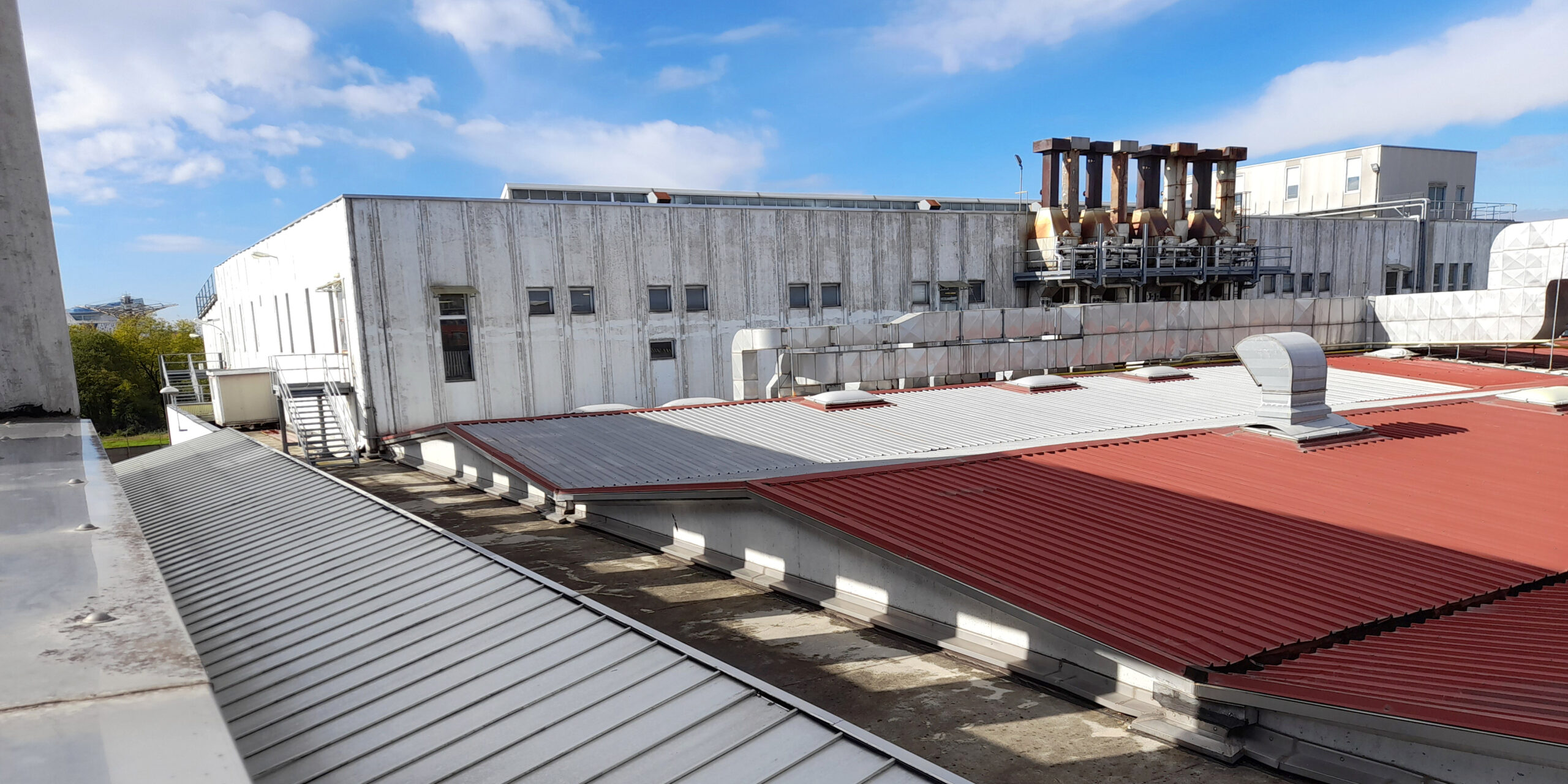
A leaking flat roof can shut down operations, damage inventory, and cost your business thousands in a single day. So when it is time for a new roof, you need to know exactly what the process looks like and who to trust with it. Commercial flat roof installation is not a one-day job, and it is definitely not something to hand to the lowest bidder. It involves careful planning, the right materials, and a structured process from start to finish. Murphy Roofing has completed hundreds of commercial roofing projects across Philadelphia, PA, and the surrounding areas, and the team follows a proven step-by-step process to protect your building for decades.
Why The Installation Process Matters More Than The Material
Most business owners focus on material costs. But the installation process determines how long that material actually lasts.
According to the National Roofing Contractors Association, improper installation is the leading cause of premature flat roof failure, responsible for over 40% of all commercial roofing complaints. It is important to know that even the best roofing membrane fails fast when the substrate is not properly prepared or the seams are not correctly sealed.
You should ask any contractor to walk you through their full installation process before signing a contract. A confident, experienced team will do so without hesitation.
Step One: Roof Assessment And Project Planning
Every successful commercial flat roof installation starts long before the first worker steps onto the roof. You should expect a thorough assessment phase that covers the following:
- Full inspection of the existing roof structure and deck condition
- Moisture scan to detect trapped water beneath the current membrane
- Load capacity evaluation for new materials and insulation layers
- Local building code review for Philadelphia, PA requirements
- Material selection based on roof size, budget, and usage
It is important to know that skipping the assessment phase leads to costly surprises mid-project. A proper plan saves time, money, and structural headaches down the road.
Step Two: Tear-Off And Deck Preparation
The tear-off phase is where the old roof comes off, and the real condition of your building gets revealed. You should never allow a new roof to be installed directly over a saturated or deteriorated deck.
What happens during tear-off:
- Old membrane, insulation, and flashing are fully removed.
- The roof deck is inspected for rot, rust, or structural damage.
- Damaged deck sections are repaired or replaced before proceeding.
- The surface is cleaned and made level for the new installation.
It is important to know that some contractors skip full tear-offs to save time. A new membrane installed over wet or damaged decking will fail within a few years, regardless of material quality.
Step Three: Insulation Installation For Commercial Flat Roofs
Insulation is one of the most important layers in any flat roof system, especially when planning flat roof installation services in Philadelphia, PA. You should understand the options before your contractor makes the selection.
Flat Roof Insulation Types For Commercial Buildings
| Insulation Type | R-Value Per Inch | Best For |
| Polyisocyanurate (Polyiso) | 5.7 – 6.5 | High performance, most common |
| Expanded Polystyrene (EPS) | 3.6 – 4.0 | Budget-friendly, moisture-resistant |
| Extruded Polystyrene (XPS) | 5 | High moisture areas |
| Mineral Wool | 3.7 – 4.2 | Fire resistance priority |
You should aim for a minimum R-value of R-20 for commercial flat roofs in the Philadelphia climate. It is important to know that proper insulation reduces your heating and cooling costs by up to 30% annually.
Step Four: Choosing The Best Flat Roofing Material For Commercial Buildings
Material selection directly impacts the lifespan and performance of your roof. Here is a clear comparison of the most widely used commercial flat roofing systems.
| Material | Lifespan | Cost Per Sq Ft | Best For |
| TPO Membrane | 20 – 30 years | $5 – $10 | Energy efficiency |
| EPDM Rubber | 25 – 35 years | $4 – $8 | Durability and flexibility |
| PVC Membrane | 20 – 30 years | $6 – $12 | Chemical resistance |
| Modified Bitumen | 15 – 20 years | $3 – $6 | Budget-conscious projects |
| Built-Up Roofing (BUR) | 20 – 30 years | $4 – $8 | High-traffic rooftops |
The best flat roofing material for commercial buildings depends on your budget, climate exposure, and building usage. Murphy Roofing helps Philadelphia business owners evaluate every option honestly — without pushing the most expensive choice.
Step Five: Membrane Installation And Seam Sealing
The membrane is the waterproof layer that does the heavy lifting. You should know that proper seam sealing is the most critical step in the entire installation.
How professional membrane installation works:
- Membrane rolls are laid out and aligned across the full roof surface.
- Seams are heat-welded or chemically bonded, depending on the material type.
- Flashings are installed around all penetrations — vents, drains, and HVAC units.
- Edge terminations are sealed and secured to prevent wind uplift.
- Drain points are verified for proper slope and water flow.
It is important to know that TPO and PVC membranes use hot-air welded seams, which create a bond stronger than the membrane itself when done correctly. EPDM uses tape or liquid adhesive bonding at seams
Step Six: Flat Roof Installation For Commercial Properties — Quality Checks
You should never skip quality checks mid-installation. A professional crew conducts multiple verification steps before the project is declared complete.
Mid-Installation Checks Include:
- Seam integrity testing using probes and pull tests.
- Drain flow verification after rain simulation
- Flashing adhesion checks around all penetrations
- Insulation board alignment and fastener pattern review
It is important to know that flat roof installation for commercial properties in Philadelphia must comply with local building codes and manufacturer warranty requirements. Both demand documented quality checks throughout the process.
Step Seven: Final Inspection And Warranty Documentation
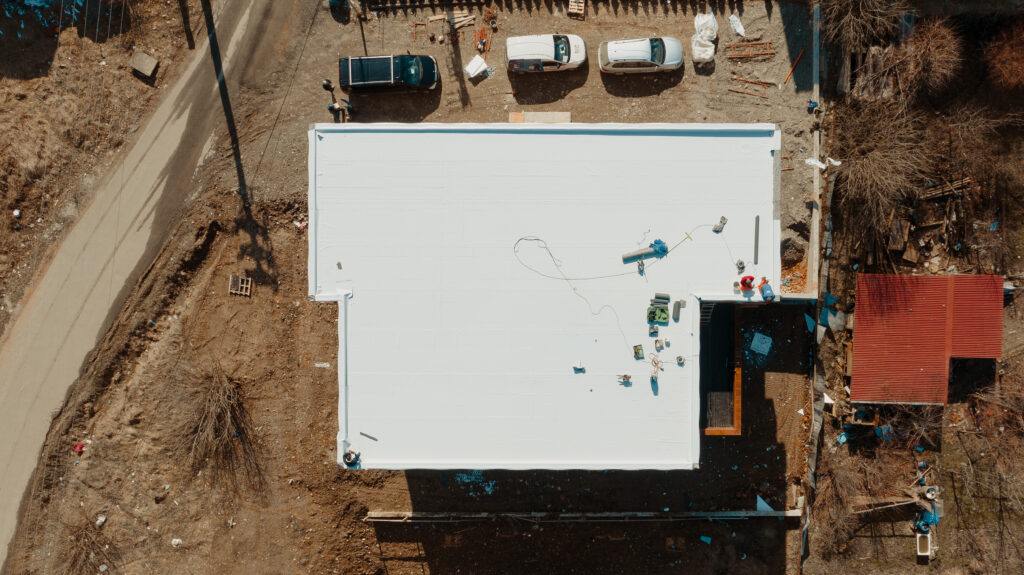
The final inspection is your protection. You should be present for it — or have a representative there on your behalf.
What the final inspection covers:
- Full visual walkthrough of all membrane surfaces
- Seam and flashing verification across the entire roof
- Drain and gutter flow confirmation.
- Photographic documentation of completed work
- Warranty registration with the manufacturer
- Delivery of all project documentation to the property owner
A reputable commercial flat roof installation contractor provides both a workmanship warranty and a manufacturer’s material warranty. You should receive both in writing before the crew leaves the site.
Affordable Commercial Flat Roof Installation In Philadelphia
Are you searching for affordable commercial flat roof installation without sacrificing quality? The two do not have to be mutually exclusive. You should look for a contractor who is transparent about costs, uses name-brand materials, and backs their work with a written warranty.
Murphy Roofing offers competitive pricing across all commercial flat roofing systems. The team serves Philadelphia, PA, Overland Park, Shawnee, Lenexa, and surrounding areas — and provides detailed written estimates so you know exactly what you are paying for before work begins.
What To Look For In Commercial Flat Roof Installation Contractors
Not every roofing company has the experience or equipment to handle large commercial projects. You should evaluate every contractor against a clear checklist before making a decision. For reliable results and expert service, contact Murphy Roofing today to discuss your commercial roofing needs and get a detailed, professional estimate.
| Criteria | What To Look For |
| Licensing | State-licensed and insured for commercial work |
| Experience | Minimum 5 years of commercial flat roof projects |
| Manufacturer Certification | Approved installer for TPO, EPDM, or PVC systems |
| Written Warranty | Both workmanship and material warranties are provided |
| References | Verified commercial project references available |
| Local Knowledge | Familiar with Philadelphia building codes |
Commercial flat roof installation contractors who meet all of these standards are worth every dollar. Those who cannot verify even half of them are a liability.
Frequently Asked Questions
Q1: How long does a commercial flat roof installation take?
Most commercial flat roof projects take 3 to 7 days, depending on roof size, material type, and weather conditions. Larger buildings or complex layouts may require 2 weeks or more.
Q2: What is the best flat roofing material for commercial buildings in Philadelphia?
TPO and EPDM are the most popular choices in Philadelphia due to their durability, energy efficiency, and performance in temperature extremes. Murphy Roofing recommends the right material based on your specific building needs.
Q3: How much does commercial flat roof installation cost?
Costs typically range from $8,000 to $50,000 or more, depending on roof size, material selected, and tear-off requirements. You should always get a detailed written estimate before approving any work.
Q4: Do I need a permit for commercial flat roof installation in Philadelphia?
Yes. Most commercial roofing projects in Philadelphia, PA, require a building permit. A licensed contractor handles the permit process as part of the project scope.
Q5: How long does a commercial flat roof last?
A properly installed flat roof lasts 20 to 35 years, depending on the material. TPO and EPDM systems installed by certified contractors often reach the top end of that range with routine maintenance.